
Church & Religious Facility Pest ControlCincinnati, Ohio
Pest management for churches, synagogues, mosques, and religious facilities throughout Greater Cincinnati.
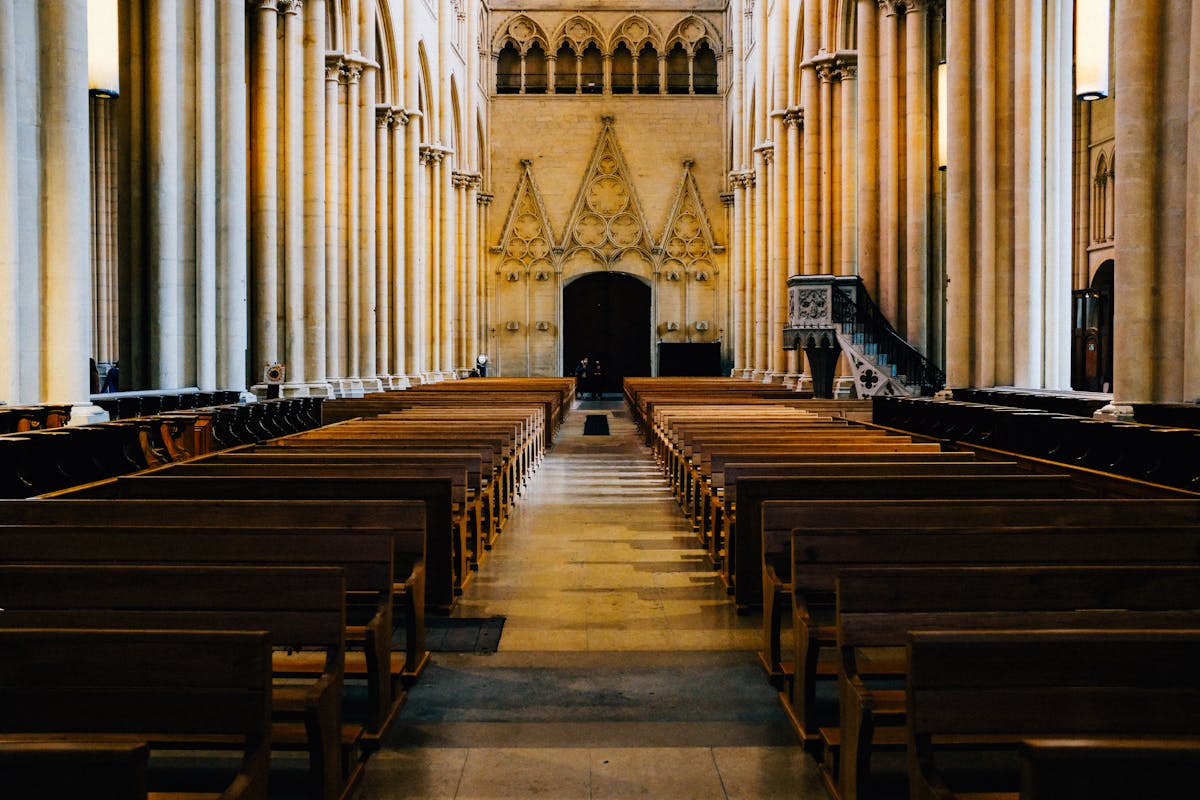
Community facilities deserve respectful, plain-language service.
Envexa reviews worship spaces, classrooms, kitchens, basements, storage, food pantries, rooflines, and event schedules with care for the building and the people using it.
Sanctuary, fellowship hall, kitchen, classrooms, offices, storage, and lower levels.
Foundations, rooflines, utility gaps, moisture, and seasonal invader pressure.
Plain findings and recommendations staff, trustees, or volunteers can act on.
Pest pressure and facility risks
Church pest pressure often comes from older construction and changing weekly use.
Large buildings that sit quiet between events can hide pest activity until a service, wedding, class, or pantry day brings people in.
Moisture, storage, and foundation gaps
Mice, spiders, ants, and occasional invaders often start in lower-level spaces.
Fellowship halls and food pantries
Food storage, donations, drains, trash, and event cleanup can attract pests.
Attics, towers, and exterior openings
Seasonal invaders may use aging rooflines, vents, and gaps.
Worship, weddings, classes, and gatherings
Service should be timed around the calendar and respectful of sacred spaces.
A plan that works around worship, events, and older buildings.
Church pest service should be respectful, plain-language, and timed around the calendar. The plan needs to protect the building while making next steps easy for staff, trustees, and volunteers.
Sanctuaries, gathering spaces, classrooms, and offices are handled with respectful access and timing.
Fellowship halls, food pantries, classrooms, and event areas are reviewed around the weekly calendar.
Foundations, basements, rooflines, utility openings, and storage areas are checked for hidden entry points.
A practical program for staff, volunteers, and building committees.
Envexa keeps findings plain and actionable so decision makers know what was serviced, what needs repair, and what should be monitored.
What respectful service should include
We review worship spaces, kitchens, classrooms, basements, storage, and exterior openings.
Older foundations, rooflines, stonework, moisture, and storage patterns are considered.
Service can be planned around worship, weddings, funerals, classes, and community events.
Staff and volunteers get service areas, findings, and the items that need attention.
Church inspections respect both sacred and practical spaces.
The whole building matters, from the sanctuary to the storage room.
Sanctuary, seating, and gathering spaces
Visible areas are handled carefully with respect for finishes and furnishings.
Kitchens, pantries, and fellowship halls
Food storage, moisture, donations, trash, and event cleanup areas are reviewed.
Basements, classrooms, and storage
Moisture, clutter, gaps, and quiet spaces are checked for hidden pressure.
Foundations, rooflines, vents, and doors
Entry points and seasonal invader pressure are identified.
Know the pests that affect churches and community facilities.
The best plan protects the building without disrupting the mission of the space.
Need church pest control in Cincinnati?
Respectful scheduling, older-building awareness, and plain-language notes for staff or trustees.
Church pest control FAQ.
Yes. Service can be coordinated around worship services, weddings, funerals, classes, pantry hours, and community events.
Yes. Older foundations, basements, rooflines, storage areas, and exterior gaps are a major part of the inspection.
Yes. We can inspect exterior pest pressure and recommend sealing or exclusion steps based on the building and activity pattern.
Yes. We provide clear service notes and recommendations that staff, trustees, or volunteers can use for follow-up.