Does Envexa provide fly control in Cincinnati?
Yes. Envexa provides fly control in Cincinnati, Hamilton County, and nearby Greater Cincinnati communities. The inspection and service plan are based on the property conditions, not just the pest name.
Fly control in Cincinnati starts by finding the source, because different flies point to different moisture, sanitation, drain, or exterior issues.
Serving Cincinnati, Hamilton County, ZIP 45202, with attention to Cincinnati areas like Over-the-Rhine, Clifton Heights, and Northside.
Free quote. Clear next step. Same-week openings when available.
Envexa serves Cincinnati areas like Over-the-Rhine, Clifton Heights, and Northside with Ohio licensed technicians, clear service notes, and help choosing the right pest control path before work begins.
Local Cincinnati routes with service-area confirmation before scheduling.
Clear recommendation, scope, and next step before work begins.
Licensed and insured service using EPA-registered products when treatment is needed.
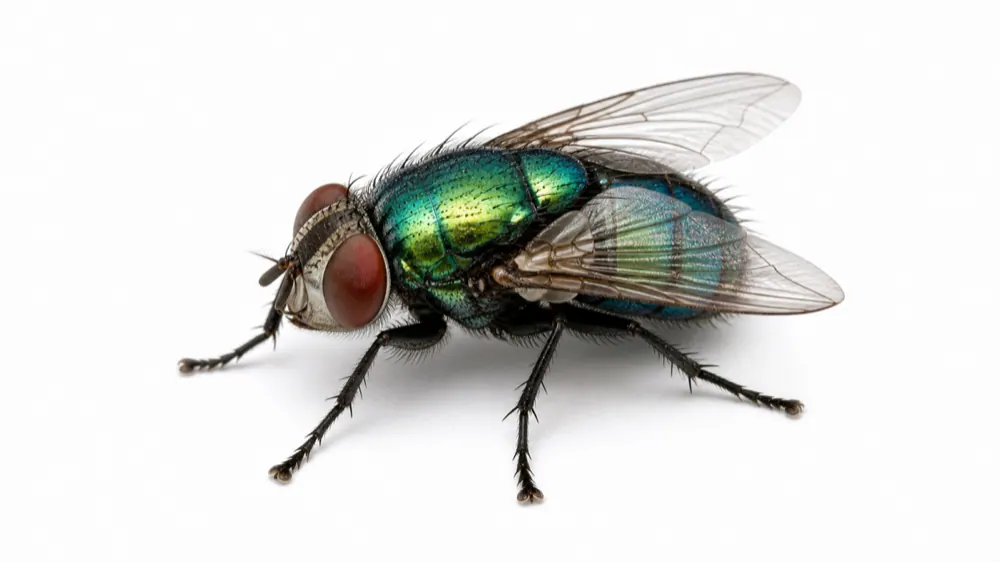
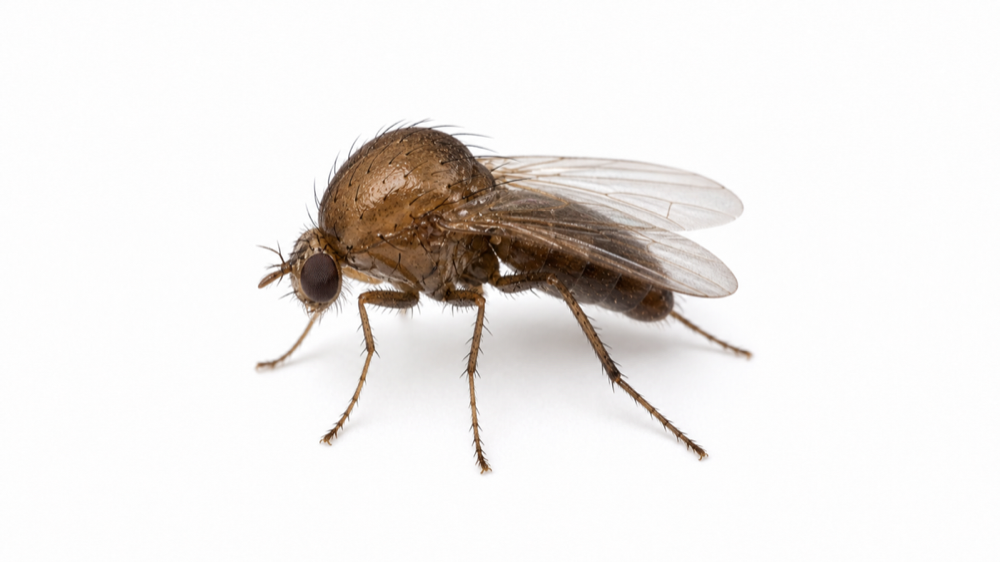
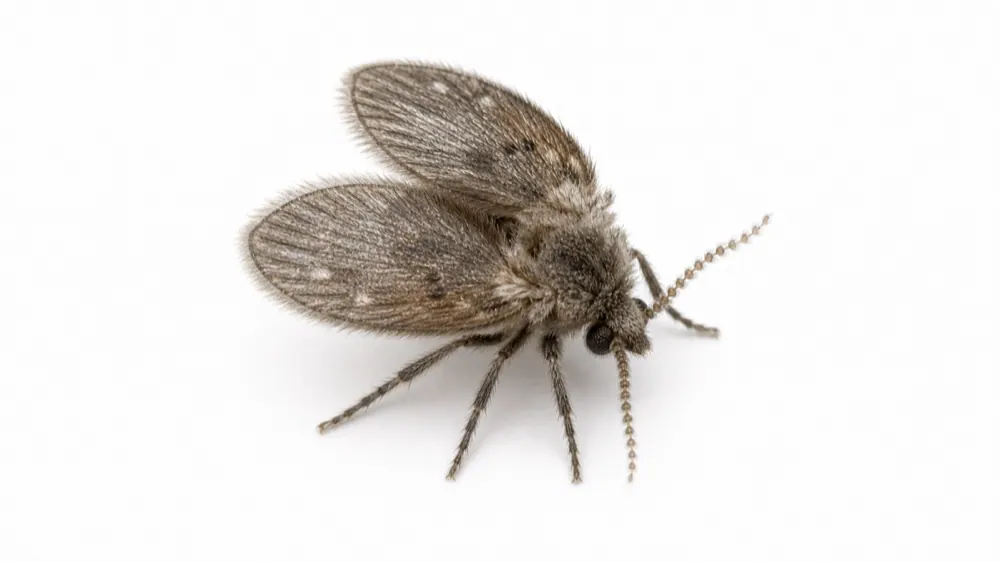
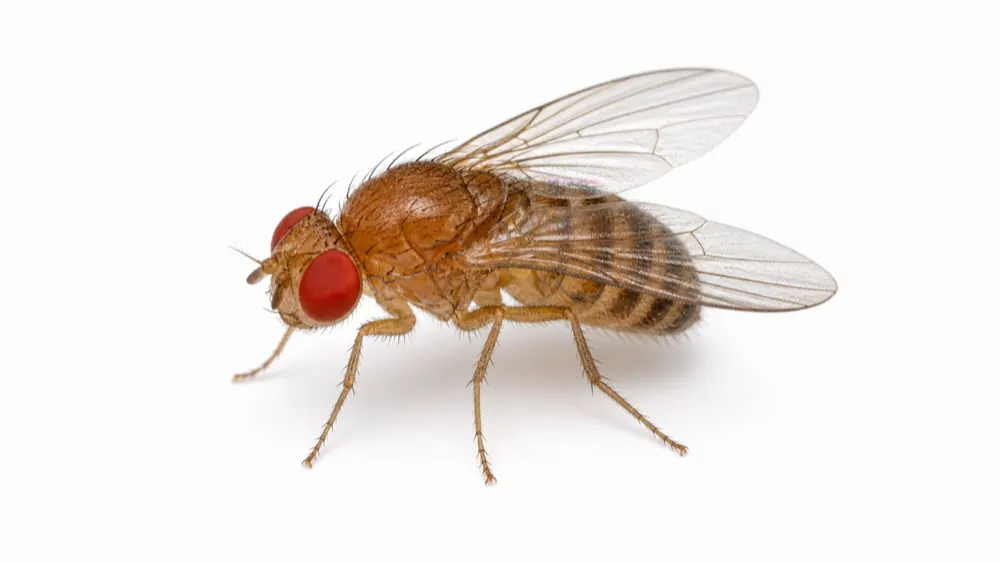
Persistent flies in Cincinnati are rarely solved by a quick spray. Drain flies, fruit flies, house flies, blow flies, and cluster flies each lead the inspection in a different direction.
Cincinnati's pest pressure is some of the most varied in Ohio. For fly control, that means we slow down around Over-the-Rhine, Clifton Heights, and Northside and look at the source first: drains, trash, doors, moisture, produce, exterior entry, or anything organic that is feeding the issue before we talk through a plan. Cincinnati's river valley location means mosquitoes start early (March) and rodent pressure peaks hard in November.
Fly control starts with the source because the wrong guess wastes time. Drains, trash, doors, moisture, food handling, exterior breeding pressure, and the fly species all point the service in a different direction.
The end result should feel plain and useful: what we saw, why it matters, and what service path makes sense for the home.

Cincinnati fly pressure is usually tied to a source: restaurant corridors, older floor drains, tight urban trash storage, pet waste, moisture, or a hidden animal issue in a wall void. Downtown, OTR, Clifton, Hyde Park, and other older neighborhoods often see drain fly and fruit fly complaints because plumbing and sanitation conditions vary by building. A fly treatment should not just chase the adults you see. Envexa identifies the species, finds the source, and builds the recommendation around drain treatment, sanitation correction, exclusion, and targeted application where it actually matters.
Hamilton County fly issues are usually source-driven: older floor drains, dense trash storage, restaurant corridors, pet waste, moisture, or hidden organic material. Correct identification matters because drain flies, fruit flies, house flies, cluster flies, and blow flies all point to different fixes.
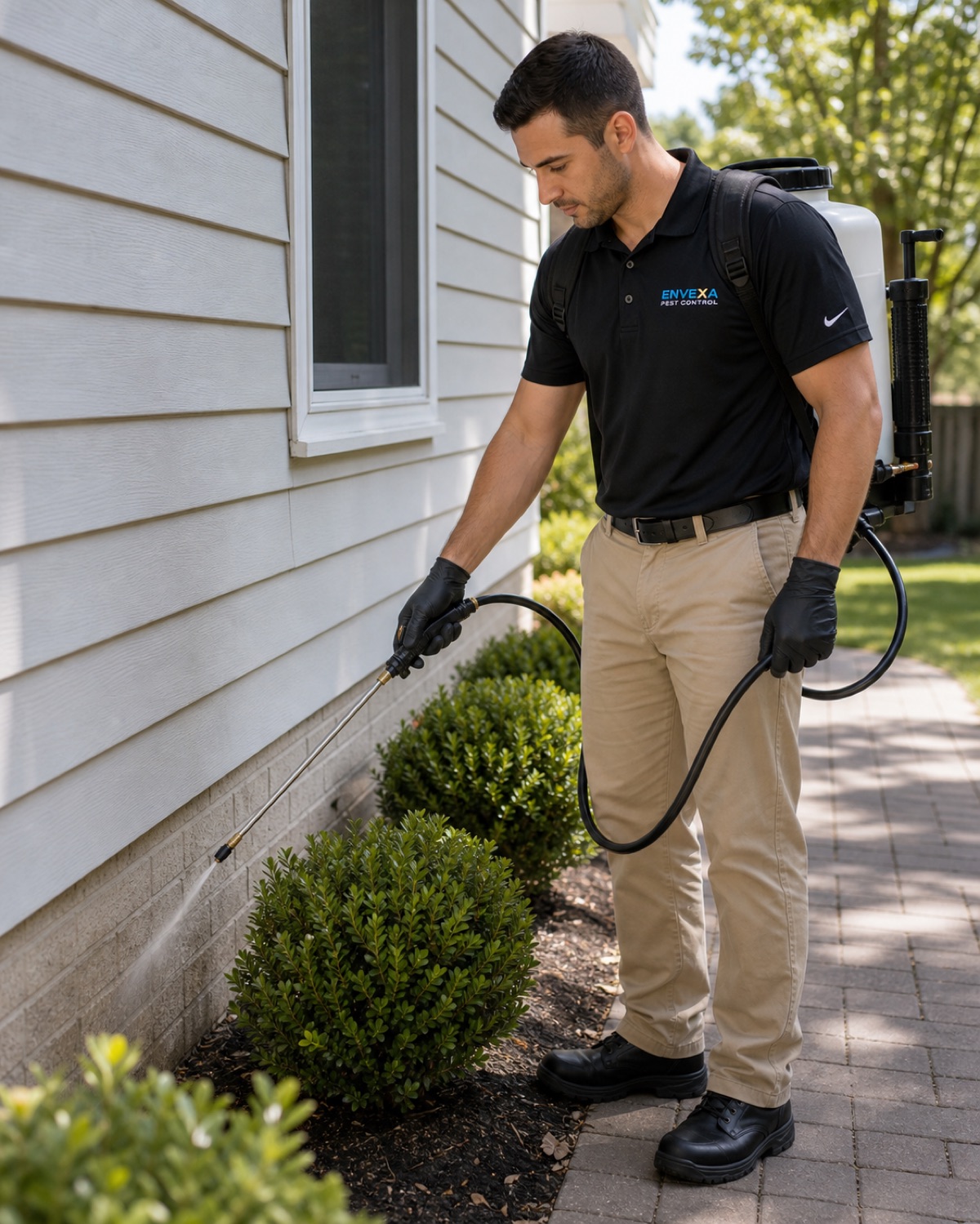
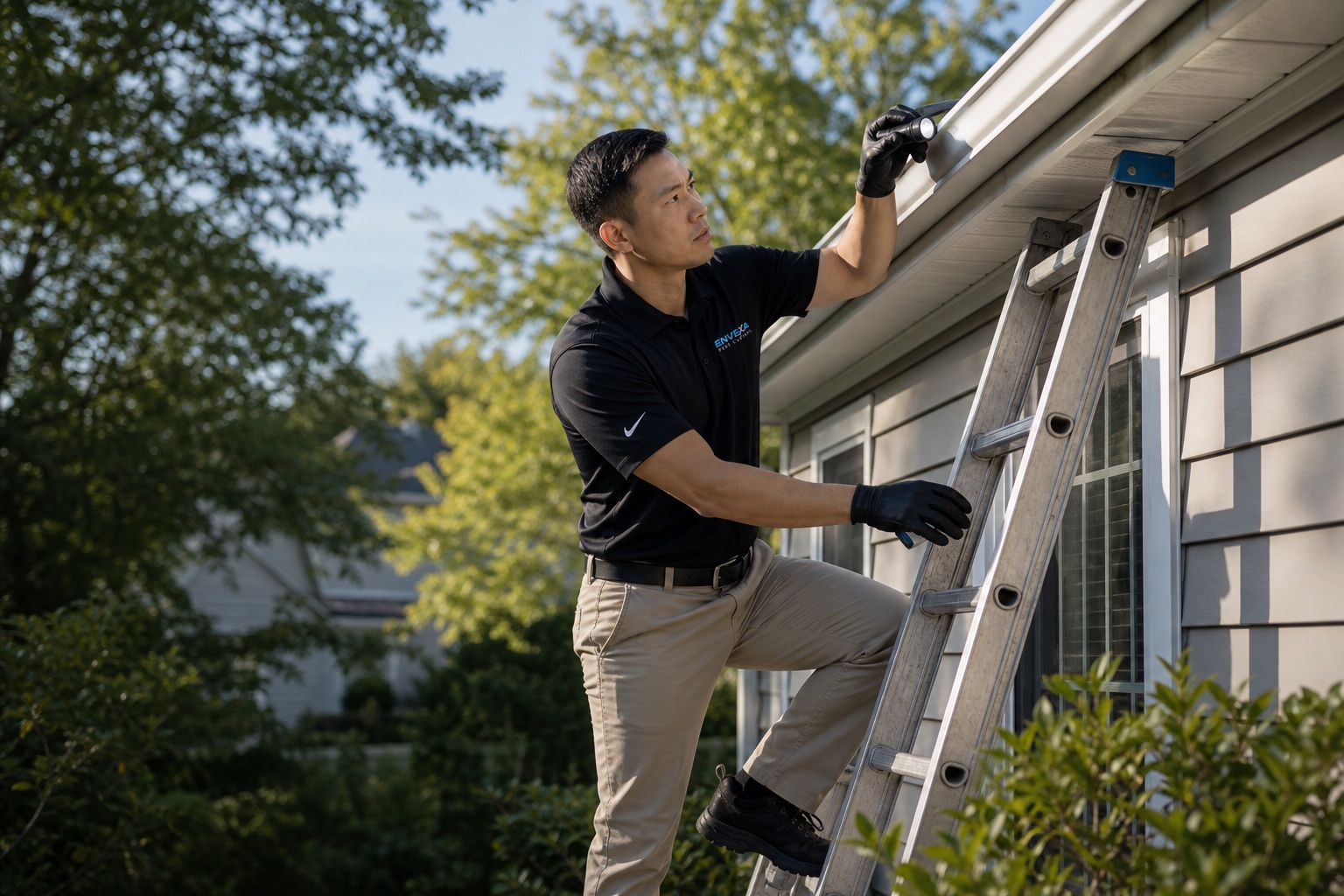
Photos help show the kind of inspection and service work Envexa is talking about before you schedule a visit.


The first visit should answer where the flies are coming from and what has to change.
The fly type tells us whether to inspect drains, produce, trash, moisture, animal sources, or exterior entry.
Treatment works best after the source is found and corrected.
Doors, screens, dumpsters, kitchens, and exterior lights can keep flies cycling.
Simple problems get simple service. Repeat pressure gets a plan that accounts for the property.
Sanitation, drain cleaning, repairs, or exclusion may matter as much as treatment.
Products and placements depend on the species and room.
The service should leave clear steps that reduce recurrence.
Short, direct answers for homeowners comparing local service options.
Yes. Envexa provides fly control in Cincinnati, Hamilton County, and nearby Greater Cincinnati communities. The inspection and service plan are based on the property conditions, not just the pest name.
The first visit looks for active evidence, where activity is coming from, and the conditions that could keep it returning. For this service, that usually means the source first: drains, trash, doors, moisture, produce, exterior entry, or anything organic that is feeding the issue.
No. A home near wooded edges, older foundations, shaded yards, commercial corridors, or water sources may need a different focus than a newer subdivision home. The recommendation changes with what the technician finds.
Keep moving through the pages that match this neighborhood and service type.
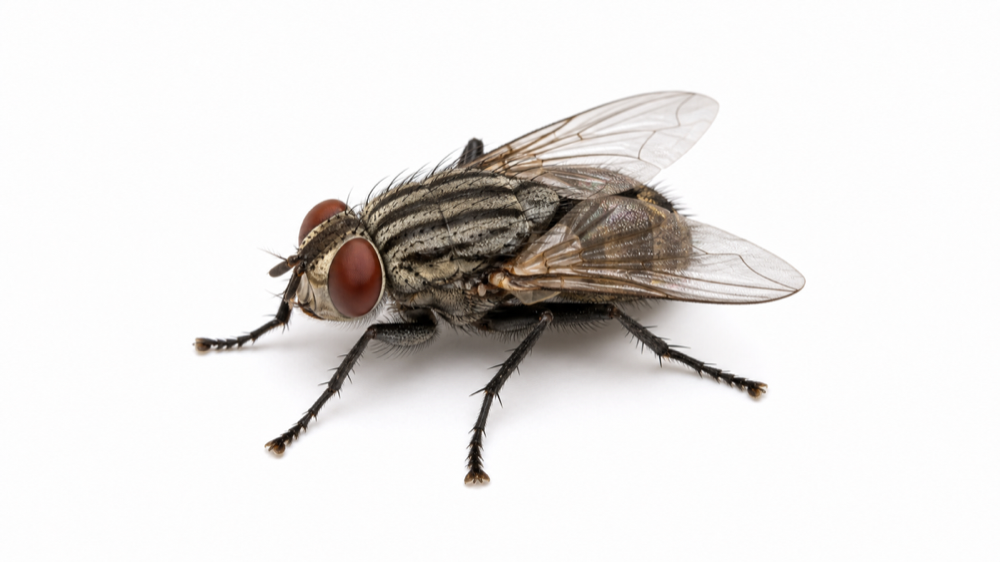
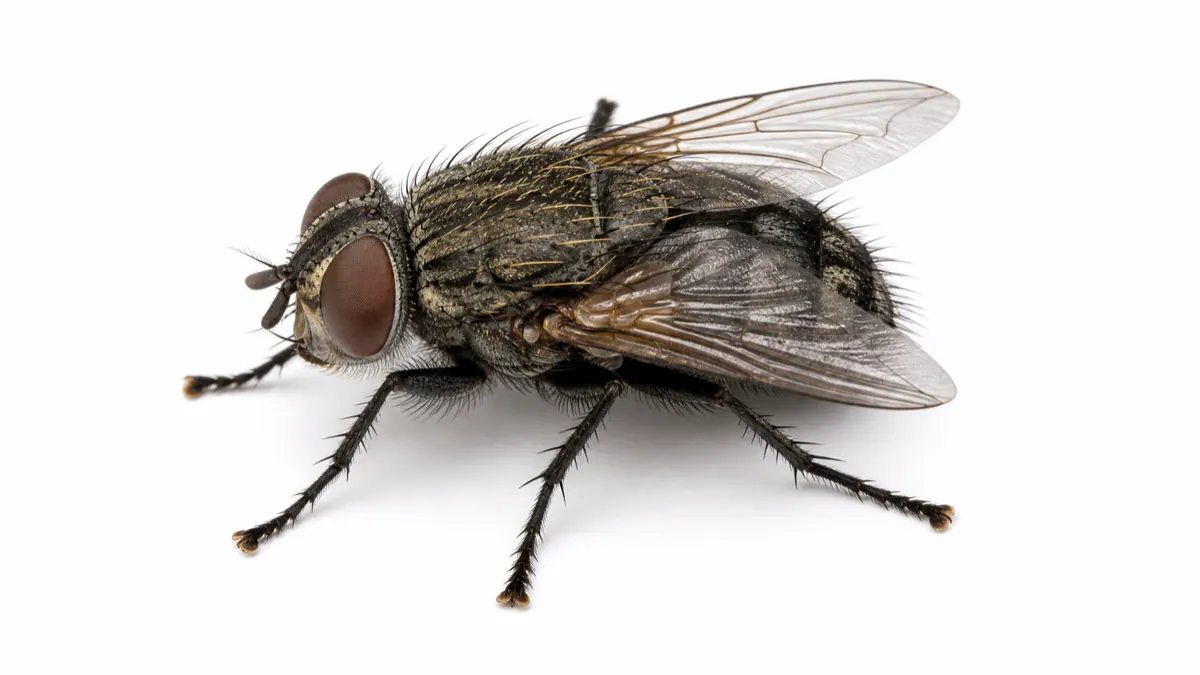
Use Envexa's pest library to see identification guides, macro photos, signs, and lookalikes tied to fly control.
Specialty · Mar through OctHouse Fly guidePersistent house flies usually mean sanitation, door pressure, garbage, pet waste, or another breeding source needs to be found.
Specialty · Sep through NovCluster Fly guideSlow, sluggish flies that gather in attics and windows during fall and reappear on warm winter days. Prevention is usually exterior tim...
Specialty · Mar through OctBlow Fly guideMetallic green or blue flies that often point to garbage, animal remains, dumpster issues, or sanitation sources that need to be found.
Specialty · Year-roundPhorid Fly guideSmall humpbacked flies that run erratically and may indicate drains, wet organic debris, or hidden slab/plumbing issues. Source finding...
Specialty · Year-roundDrain Fly guideSmall fuzzy flies around sinks, floor drains, and bathrooms. Control requires removing organic buildup inside the drain, not just killi...
Specialty · Year-roundFruit Fly guideTiny flies around fruit, trash, recycling, drains, and spilled drinks. Source removal is the difference between temporary relief and co...Short answers before you schedule service.