
A Wall Void Nest Is Different From a Visible Nest
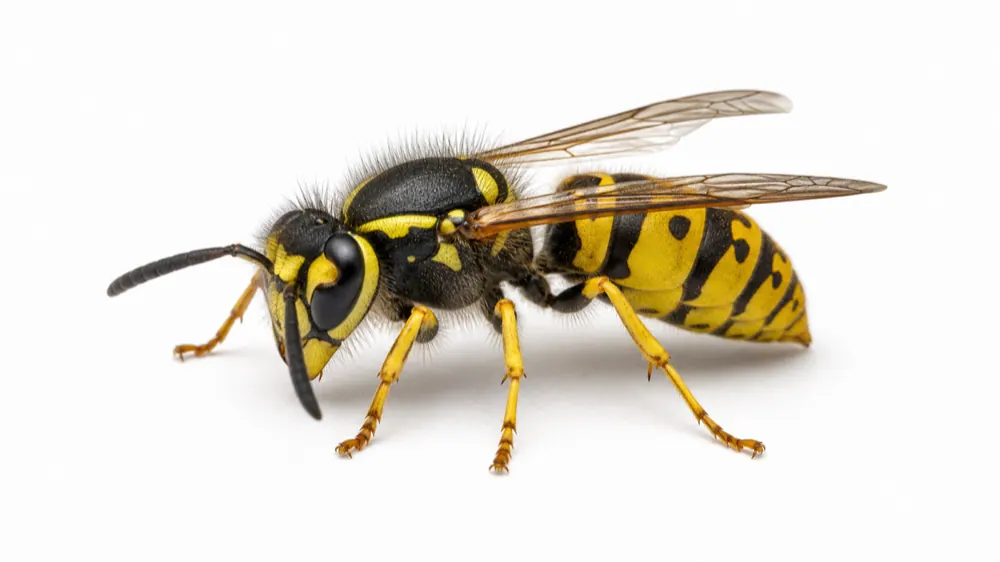
A paper nest hanging under an eave is easy to see. A wall void nest is not. In Cincinnati, yellow jackets and wasps often use small gaps in siding, brick, soffits, window trim, fascia, or utility penetrations. You may only see insects flying in and out of one small opening.
The instinct is to plug the hole. That is usually the wrong first move. If the colony is active and the exterior route is sealed, insects can move deeper into the wall and sometimes find a way into the living space.
Signs of a Wall Void Nest
Watch for steady traffic in and out of the same gap, especially on warm afternoons. Listen for faint buzzing or scratching inside a wall or ceiling. You may also see insects appearing indoors near lights, windows, fireplaces, recessed lights, or upper rooms if the nest is close to interior space.
Why Treatment Comes Before Sealing
The colony needs to be addressed first. Once activity has stopped and the nest is no longer active, the opening can be repaired or sealed. The order matters because sealing too soon can create a bigger interior problem.
Where These Nests Happen
Common Cincinnati locations include vinyl siding laps, brick weep gaps, soffit returns, porch ceilings, roofline trim, window frames, and utility penetrations. Older homes with layered repairs can have hidden voids that are especially attractive.
Safety Comes First
Do not stand on a ladder near an active entrance. Do not spray blindly into walls from inside. Do not use foam, caulk, or tape while insects are still flying. Keep children and pets away from the activity area until it is handled.
Frequently Asked Questions
Can wasps come inside after I seal the hole?
Yes. If the nest is active, sealing the exterior opening can push insects toward interior light and gaps.
Are wall void nests always yellow jackets?
Not always, but yellow jackets are common wall void nesters and can be very defensive late in the season.
When can the hole be sealed?
After treatment has worked and active traffic has stopped. Then the entry point can be repaired to help prevent future use.