
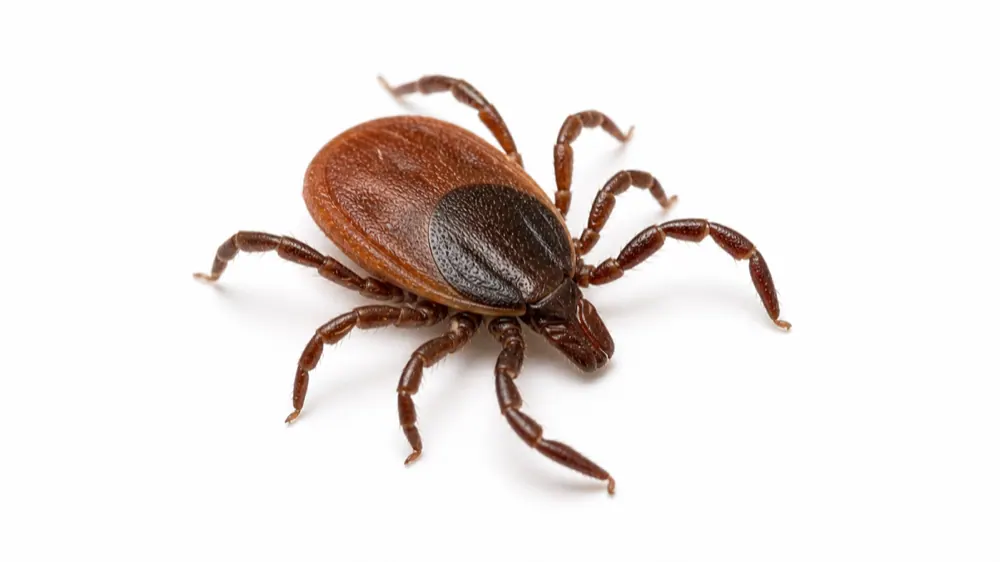
Ticks Follow Habitat, Not Property Lines
Ticks are most common where people and pets cross into shaded, brushy, or wooded habitat. That can be a tree line in Indian Hill, a creek edge in Loveland, a wooded fence line in Anderson Township, or a shaded backyard border in a suburban neighborhood.
A sunny open lawn may have low tick pressure while the back 15 feet near brush carries most of the risk. That is why effective tick service focuses on the edges rather than treating the property like every square foot is the same.
Where Ticks Are Most Likely
Wooded Edges and Brush
Leaf litter, tall grass, brush, and shaded transitions hold humidity and give ticks a place to wait for hosts.
Pet Routes
Dogs often pick up ticks along fence lines, shaded corners, trails, and under shrubs. If pets follow the same route every day, that path deserves attention.
Exterior pest Movement
Deer, rodents, larger pests, nighttime pests, and other exterior pests can move ticks through a property. Tick pressure is often strongest where exterior pest travel and yard use overlap.
What Homeowners Can Do
Keep grass trimmed, clear leaf litter, reduce brushy edges, create separation between wooded areas and play areas, and check pets after outdoor time. These steps do not replace treatment when pressure is high, but they reduce habitat that supports ticks.
How Envexa Approaches Tick Service
Envexa focuses on the areas where ticks are most likely to contact people and pets: tree lines, shaded fence lines, brush, tall grass edges, and pet travel routes. The goal is targeted habitat treatment, not a generic lawn spray.
Frequently Asked Questions
When are ticks active in Cincinnati?
Ticks are most noticeable from spring through fall, but mild winter days can allow activity. Wooded and brushy areas stay higher risk.
Do ticks live in short grass?
They are less likely in hot, dry, short grass and more likely in shaded, humid transition zones.
Should I treat for ticks if I have pets?
If pets use wooded edges, brush, or shaded yard routes, tick pressure deserves attention. Veterinary prevention and yard service can work together.