
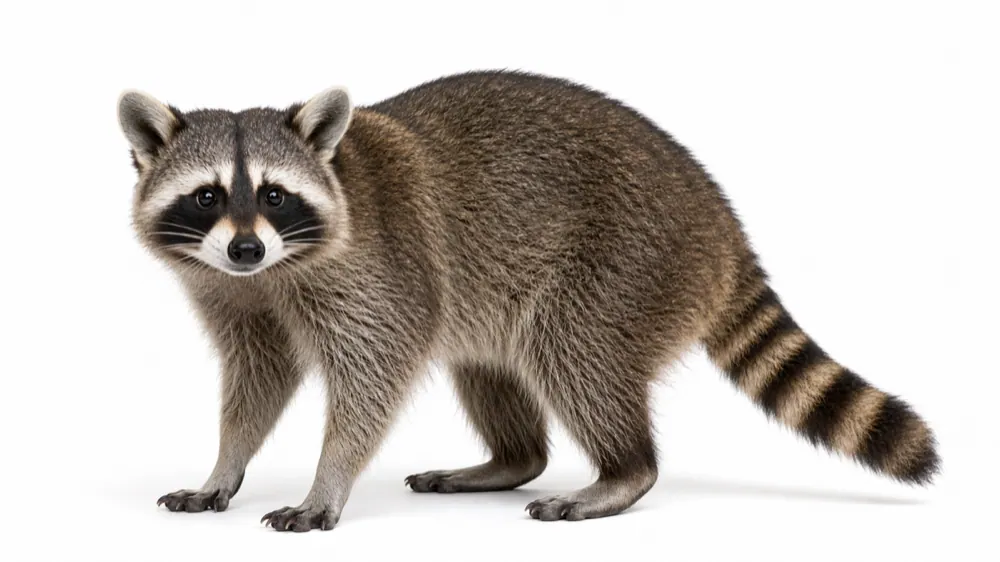
The Noise Is Only Part of the Problem
When raccoons use an attic, homeowners often focus on the thumping and scratching. That makes sense. The noise is stressful. But after the animal issue is handled, the attic may still have droppings, damaged insulation, odor, nesting material, or an opening that another animal can use.
Raccoon droppings should be treated differently than ordinary dust or debris. They can create sanitation concerns and should not be swept, vacuumed, or handled casually.
What a Raccoon Latrine Means
Raccoons often use repeated bathroom areas called latrines. In an attic, that may be near the entry point, along a rafter bay, beside a chimney chase, or on top of compressed insulation. A latrine can create odor, staining, and contamination that remains after the raccoon leaves.
Removal, Cleanup, and Exclusion Are Different Steps
Removal addresses the active animal. Cleanup addresses droppings, odor, and contaminated materials. Exclusion addresses how the animal got in and how to keep the opening from being reused. Skipping one of the three can leave the problem half-finished.
When Young Animals May Be Present
During denning season, a female raccoon may have young in the structure. That changes the timeline and the plan. Sealing the entry without understanding the situation can create animal welfare concerns and more damage inside the home.
How Envexa Approaches the Full Picture
We inspect the roofline, confirm active evidence, look for droppings and damage, and explain the right next step. The recommendation may include removal planning, exclusion work, and cleanup guidance depending on what is found.
Frequently Asked Questions
Can I clean raccoon droppings myself?
It is safer to get professional guidance first. Raccoon droppings can carry health concerns and should be handled carefully.
Does odor mean raccoons are still inside?
Not always. Odor can remain from droppings, nesting material, or damaged insulation even after activity stops.
Can another animal use the same hole?
Yes. An open roofline gap can be reused by raccoons, squirrels, birds, or other wildlife.