
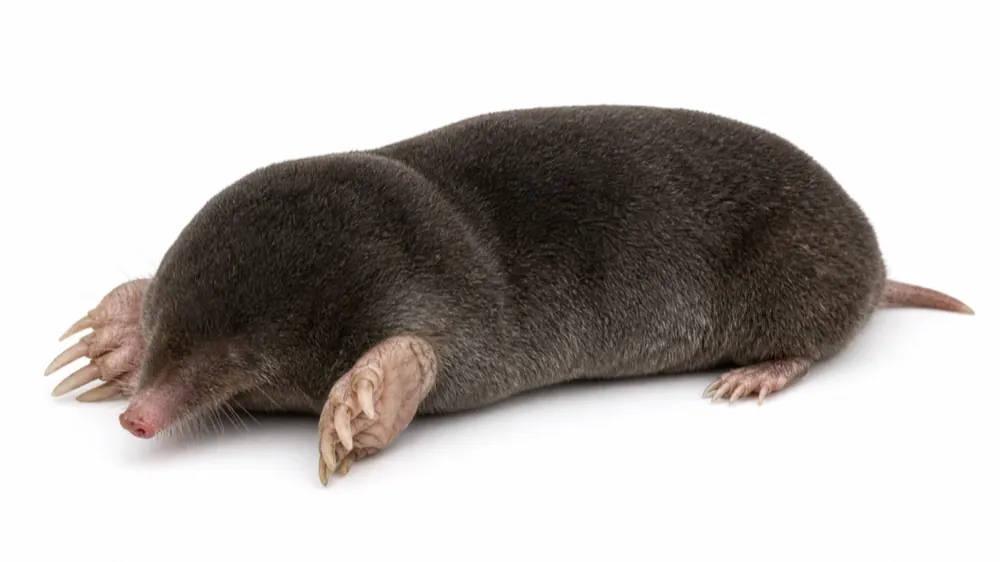
Moles Are Not Looking for Your House
Moles are insectivores. They tunnel through soil while feeding on earthworms and soil insects. That means a mole problem is usually a lawn and soil issue, not an animal trying to enter the home.
Cincinnati clay soil, spring moisture, irrigated lawns, and shaded turf can all support tunneling. Activity often appears after rain or during mild periods when the soil is workable.
How to Tell It Is a Mole
Raised Surface Tunnels
Mole tunnels look like raised ridges running across the lawn. They may feel soft underfoot and can cross beds, turf edges, and open grass.
Soil Mounds
Some mole activity creates mounds of pushed-up soil. These are different from the clean open burrows made by groundhogs or chipmunks.
No Obvious Entry Into the Home
Moles are not nesting in the attic or pantry. If you see droppings indoors, gnawing, or wall noise, that is not a mole issue.
What Usually Does Not Work
Home remedies, vibration stakes, gum, smoke products, and random repellents rarely solve active mole tunneling. The important step is confirming mole activity and understanding the tunnel pattern.
What Envexa Looks For
We confirm whether the damage is mole activity or another lawn issue, identify active travel tunnels, and explain what service options make sense for the property. The goal is realistic control, not guessing at every raised spot in the yard.
Frequently Asked Questions
Do grubs cause moles?
Grubs can contribute to food availability, but moles also feed heavily on earthworms. Removing grubs does not always remove moles.
Are moles dangerous?
They are not a biting or indoor threat for homeowners, but they can damage turf and landscape areas.
When is mole activity most noticeable?
Spring and fall are common because soil moisture and temperature make tunneling easier.