
Your Crawl Space Can Affect the Whole Home
A crawl space is easy to ignore because most homeowners do not spend time under the house. Pests do. A damp, open, or poorly sealed crawl space can give mice, roaches, spiders, ants, and exterior pests a protected place to move and shelter.
In Greater Cincinnati, crawl spaces are common in older homes, additions, ranch homes, and properties built into uneven ground. Clay soil, heavy rain, shaded lots, and foundation settling can all contribute to moisture and access issues.
Moisture Changes Pest Pressure
Moisture does not automatically mean roaches or other pest activity, but it creates more favorable conditions. Damp wood, condensation, poor drainage, plumbing leaks, and exposed soil can support insect activity and make the crawl space more attractive to pests looking for shelter.
Rodents Use Crawl Spaces Like Highways
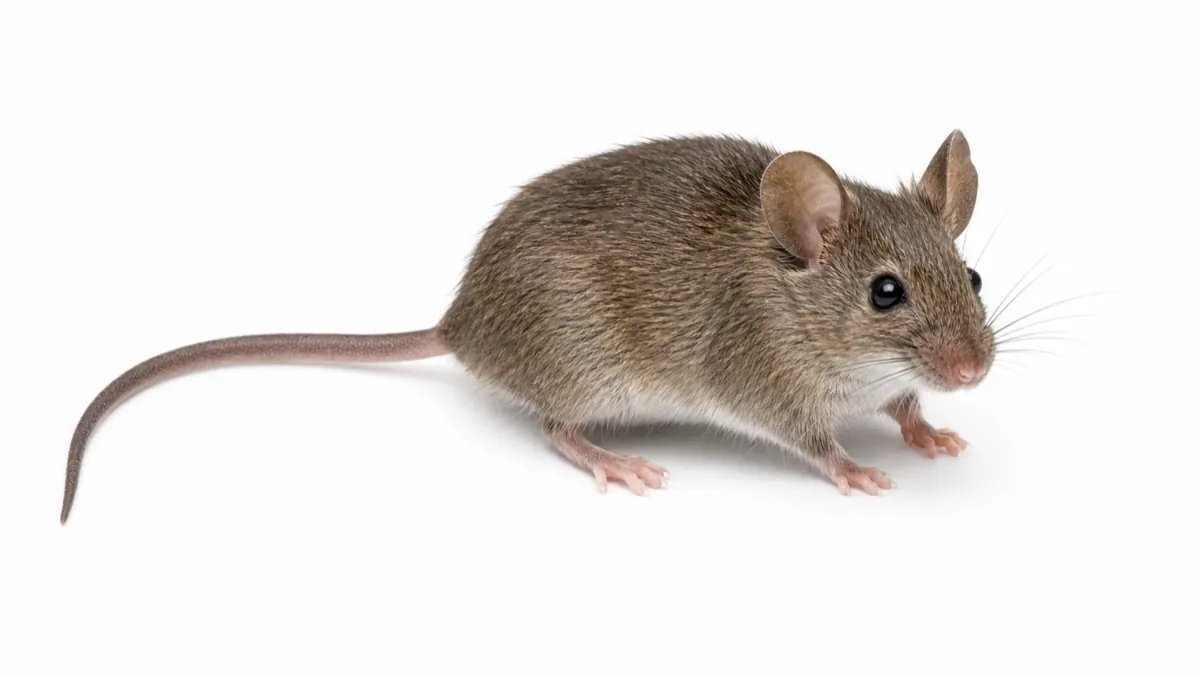
Mice can move from crawl spaces into kitchens, basements, utility rooms, and wall voids. Common clues include droppings on insulation, gnaw marks, rub marks along foundation edges, and gaps around vents or utility lines.
Roaches and Spiders Follow Shelter and Food
Large roaches may show up around damp crawl spaces, drains, and utility areas. Spiders often follow other insect activity. If the crawl space supports bugs, the upstairs living space can see more pest activity too.
Where Sealing and Maintenance Fit
Crawl space pest prevention is usually about conditions: access gaps, moisture, debris, exposed food sources, and shelter. Covering soil, reducing dampness, improving access control, and cleaning up debris can make the area less attractive and easier to inspect.
Frequently Asked Questions
Does sealing stop pests by itself?
No. It can help reduce access, but pest control still depends on entry points, moisture sources, sanitation, and the specific pest.
Should crawl space vents be sealed?
That depends on the structure and the crawl space plan. A proper recommendation should come from an inspection, not a one-size-fits-all answer.
What should I look for under the house?
Look for droppings, damaged insulation, standing water, wood contact with soil, gaps around utilities, and exterior pest disturbance.