
Small Burrows Can Still Be a Problem
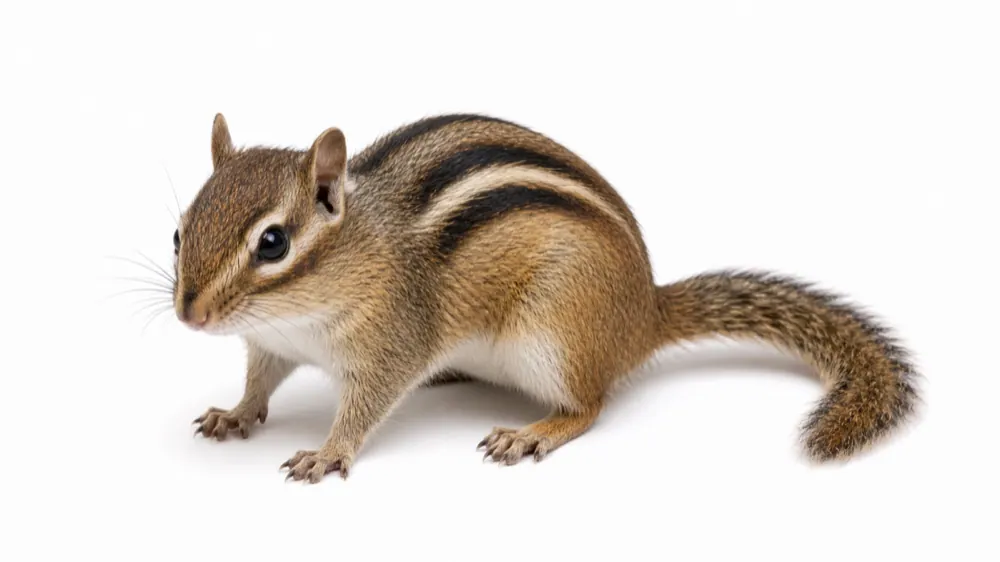
Chipmunks are easy to underestimate. They are small, active during the day, and often seem harmless. The issue starts when burrows appear along patios, steps, retaining walls, foundation landscaping, garage slabs, or porch edges.
Those locations matter because soil movement near hardscape can create settling, washing, or repeated nuisance activity.
How Chipmunk Burrows Look
Small Clean Openings
Chipmunk holes are usually small and neat, often without a huge mound of soil. They may be tucked against stone, concrete, landscape borders, or foundation beds.
Multiple Holes Along Edges
A burrow system may have several openings. You may see activity near one hole in the morning and a different hole later in the day.
Seed and Plant Pressure
Bird feeders, gardens, seed, fruit, and dense landscaping can keep chipmunks comfortable near the house.
What to Fix First
Reduce spilled bird seed, trim dense ground cover, move stored materials away from edges, and avoid letting mulch build deep against the foundation. If burrowing is active near hardscape, inspect before filling holes.
Envexa's Approach
We look at burrow locations, hardscape risk, food sources, nearby cover, and whether exclusion or habitat correction is needed. Not every chipmunk sighting needs service, but repeated burrowing near structure deserves a plan.
Frequently Asked Questions
Are chipmunks the same as mice?
No. Chipmunks are small ground squirrels and are usually an exterior burrowing issue. Mice are more often an entry and indoor activity issue.
Do chipmunks damage foundations?
They usually do not damage the foundation directly, but burrowing near patios, steps, walls, and edges can move soil where you do not want it moved.
Should I fill chipmunk holes?
Only after you understand whether the burrow is active and why activity is happening there. Otherwise it may be reopened or moved nearby.